
Nitrile Gloves
For the difference between Nitrile, Latex,
and Vinyl Protective gloves, download
the Ammex chemical resistant chart.
Free Shipping
When You Order by the Case Within the Contiguous U.S.
See Shipping Details Below
Due to the high demand on gloves, our pricing from the distributor changes frequently. Although we do our best to update pricing concurrent with our distributors pricing, the pricing reflected on our website is subject to change at the time of your order. Please consult with our sales department to confirm the current pricing.
Environmental Equipment & Supply stocks both Ammex nitrile gloves and Kimberly Clark nitrile gloves which can usually ship same day. You can trust Ammex nitrile gloves and Kimberly Clark gloves for protection and durable wear. Kimberly Clark and Ammex disposable nitrile gloves are popular with healthcare providers, mechanics and persons involved in industrial applications. Made of an elastic material similar to latex, Ammex nitrile gloves are more puncture and abrasion-resistant than vinyl and latex. We offer Ammex nitrile gloves in Exam or Industrial grade. We offer the following nitrile gloves:
- Kimberly Clark Purple Safeskin
- Xtreme Nitrile Industrial Powder Free Gloves - Not Available
- Xtreme X3 Nitrile Gloves - Not Available
- GlovePlus Nitrile Black Industrial Glove - Not Available
- Nitrile Exam Gloves - Not Available
- Gloveworks Heavy Duty Orange Nitrile Gloves
- Black Nitrile Exam Gloves - Not Available
Most Ammex nitrile gloves are available in Powdered or Powdered Free. If you are not sure which glove fits your application, download this chemical resistant chart or ask us for technical assistance. Save money, buy Ammex nitrile gloves in quantity. In fact, the more you buy, the more you save!
Nitrile Industrial Gloves
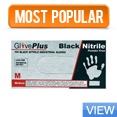
Not Available:
Ammex GlovePlus Black Nitrile Gloves - GPNB
Powder Free (100/Box)
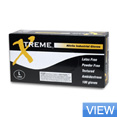
Not Available:
Ammex Xtreme Nitrile Industrial Gloves - XNPF
Powder Free (100/Box)
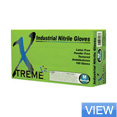
Not Available:
Ammex Xtreme Nitrile 3mil Industrial Gloves - X3
Powder Free(100/Box)

Gloveworks Heavy Duty Orange Nitrile Gloves
Powder Free (100/Box)
Nitrile Exam Gloves

Kimberly Clark Safeskin Purple Nitrile Exam Gloves - KC500
Powder Free (100/Box)
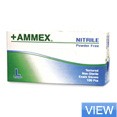
Not Available:
Ammex Nitrile Exam Gloves - APFN
Powder Free (100/Box)
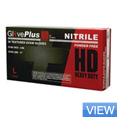
GlovePlus Nitrile HD 12 inch 8 mil. Exam Gloves - GPNHD
Powder Free (50/Box)
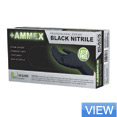
Not Available:
Ammex Black Nitrile Exam Gloves - ABNPF
Powder Free (100/Box)
Why and Where to Buy Ammex Nitrile Gloves
Nitrile gloves have increased in popularity over the past few years as a high quality replacement for latex gloves, especially with the ever-increasing rise of latex allergies. Ammex gloves made of heavy-duty nitrile with 8mm thickness offer excellent resistance to many of the commonly used chemicals. Other features include strength, durability, form, fit, comfort, elasticity and barrier protection. In fact, Ammex GlovePlus HD nitrile gloves are ideal for applications requiring strong chemical resistance, from cleaning to scientific research to the automotive industry. Plus, studies have shown nitrile gloves are the most effective barrier to infection, making them suitable for health care workers and laboratory workers. Offering a high level of dexterity, Ammex nitrile gloves won't impede movement, reducing the risk of accidents. Puncture resistance also protects hands from sharp objects. Most nitrile gloves are blue in color, although they can also be found in black or purple. Since they are typically used for chemical protection, Ammex black nitrile gloves are darker in color to hide stains created by chemicals. Environmental Equipment & Supply stocks Ammex Xtreme nitrile gloves in black and Kimberly Clark gloves in purple. We also offer Ammex gloves in standard white in industrial and exam grades.
Powdered Vs. Powder Free
The purpose of powder in gloves is to make them easier to put on, extend shelf life and keep the gloves from sticking together during the manufacturing process. Most often, cornstarch is used as the donning powder. As latex, vinyl and nitrile gloves are manufactured, powder is sprayed onto the glove. Powder free gloves are more expensive, since additional costly manufacturing procedures are necessary, in order to make the gloves easier to don without powder and prevent sticking both during and after production. Choose the glove that fits you best, we offer both powdered and powder-free versions of Ammex nitrile gloves.
Exam Vs. Industrial Grade Gloves
Exam, otherwise known as medical, grade gloves are used for any individual who comes in contact with blood-borne pathogens such as urine, saliva and blood. Recommended for non-medical purposes, industrial grade gloves are used in the food service and industrial markets. No matter what your industry, Environmental Equipment & Supply has the ideal Ammex nitrile glove for your application.